

How to run a team alignment workshop (without forcing consensus)
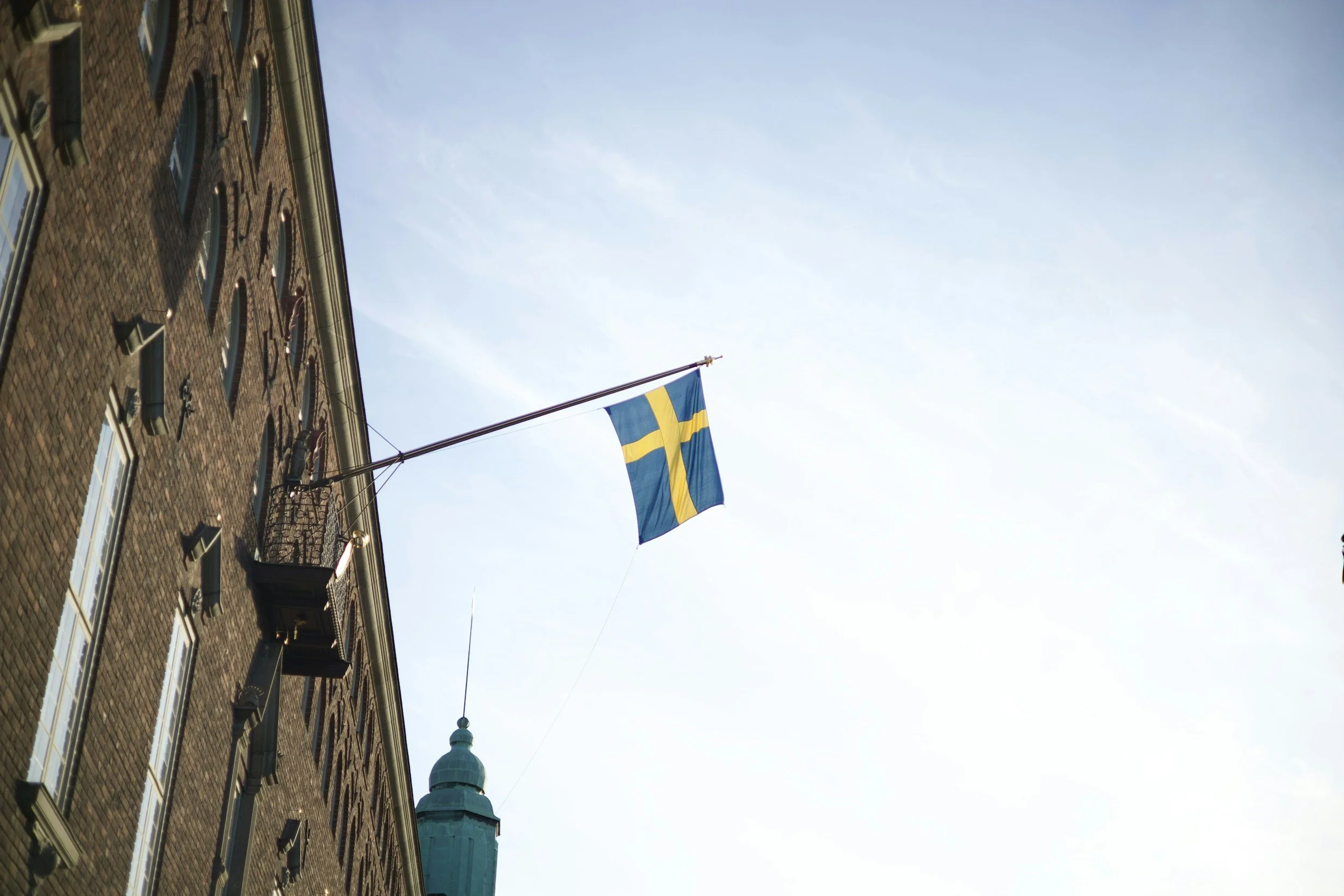
Sweden's rich culture of consensus driven decision making thrives when workshops balance broad participation with clear outcomes.
In Swedish and Nordic workplaces people are used to being heard before decisions are made, making them an excellent example of consensus driven decision making for leaders everywhere. That is a strength worth protecting. The trick is to design team alignment workshops that honour this culture of participation without slipping into endless talk or polite agreement. Here’s how!
Start with an honest purpose
Swedish teams value clarity and inclusion, so start by telling people exactly what this workshop is for. Are you trying to agree priorities, surface risks or actually decide a course of action.
You can borrow a simple trio.
We will align on: goals, focus areas and constraints.
You can influence: how we approach the work and what we prioritise.
Decisions will be made by: this person or group after the workshop using what we create together.
Research on Nordic leadership shows that this kind of transparency supports both trust and wellbeing.
Make it safe to say what people really think
Nordic leadership is often described as supportive and low ego which is a great foundation for psychological safety. Psychological safety is the belief that the team is a safe place to take interpersonal risks and it is strongly linked to learning and performance.
You can set that tone in a few minutes.
Say explicitly that disagreement is welcome and that silence will not be read as consent.
Let people start with individual notes, then small groups, before opening the full room conversation so quieter voices are not drowned out.
As facilitator, thank people when they raise a concern and ask one curious follow up question.
Separate sense making from deciding
Swedish work life has a strong tradition of employee participation but studies show that participation only improves job quality when it is well structured. The workshop runs more smoothly if you separate understanding the situation from choosing what to do.
A simple flow works well.
Sense making: Ask people to describe what is going well, what is getting in the way and what success would look like next quarter. Cluster the themes together.
Focus: Use dot voting or a basic matrix to choose the three or four topics that matter most.
Decide: Only move into decision mode for topics that really need it, and make it clear who owns the final call.
This way everyone contributes to the picture, but you do not pretend that every decision is up for a show of hands.
Use consent rather than chasing full consensus
Full consensus means everyone actively supports the decision which is rare and slow in complex organisations. Consent asks a gentler but more practical question which is whether anyone has a serious objection that would harm the team or the purpose.
Consent rounds feel natural in a Swedish context because they keep the egalitarian spirit while reducing pressure to agree enthusiastically. You can say something as simple as.
“Here is the proposal that came out of our work today.”
“Can you live with this and support it, or do you see a serious risk we need to address.”
If no one raises a substantial objection, you have enough alignment to move and you can write down any conditions people have mentioned.
Treat the workshop as one chapter, not the whole story
Research from the Nordic countries links good leadership to continuity and follow through, not just a single impressive event. People notice what happens after the workshop as much as what happens in the room.
Keep it light and human.
Beforehand, send a short note with the purpose, questions and any constraints so people can think and talk informally.
Afterwards, share a one page summary of what you are aligned on, what remains open and who will decide on each open item.
When decisions are taken later, point back to how the workshop shaped them which strengthens trust and the sense that participation is real.
Key takeaways
Design the workshop around clear purpose and roles so people know where they can influence and who will finally decide.
Create psychological safety, not politeness, by inviting honest dissent and giving quieter colleagues structured ways to contribute.
Separate sense making from decision making so the whole team shapes the picture, while a clear owner takes the final call.
Use consent rounds “Can you live with this” rather than forcing full consensus, which fits Nordic egalitarian norms without slowing everything down.
Treat the workshop as one chapter in an ongoing conversation and always close the loop by showing how input influenced real decisions.
